
Key takeaways
- Compare the best surface irrigation pumps for drawing water from shallow wells, with lift, flow and pressure figures for sprinklers, drip lines and tanks alike.
What's inside
As an Amazon Associate I earn from qualifying purchases. This post may contain affiliate links at no extra cost to you.
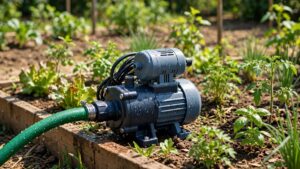
A shallow well is a gift to a gardener: water on the plot, independent of the mains, ready for every dry spell. The catch is that the water sits below ground and the crops sit above it, and the machine that bridges that gap is a surface pump, drawing water up a suction line and pushing it out to sprinklers, drip lines and tanks. This guide rounds up the best surface irrigation pumps for drawing water from shallow wells, covering portable stainless pumps that move between jobs, tank packages that give on-demand water, and fixed cast iron jet pumps for permanent systems. Lift, flow and pressure figures come from the maker, manual or retailer page for each model, because with pumps the honest numbers are the whole story.
Quick verdict
For most gardens the Acquaer SJS100 is the natural starting point: portable, stainless, protected against dry running, and ready to feed a hose straight from the box. The Aquastrong PGA120 pushes a stronger head for sprinkler work, while its PGA150SA sibling and the FOTING package add pressure tanks for on-demand water at steadier pressure. The XtremepowerUS 76091 is the flexible transfer pump for wells, tanks and odd jobs. At the fixed end, the Acquaer CJE100-1 converts to deeper wells if yours ever changes, and the Red Lion RJS-50-PREM is the measured, efficient choice for drip and soaker systems run from a pump house.
| Product | Key spec | Best for |
|---|---|---|
| Acquaer SJS100 1 HP Portable Shallow Well Garden Pump | 1 HP, 998 GPH, 26 ft suction lift | Portable irrigation from a shallow well or tank |
| Acquaer CJE100-1 1 HP Convertible Cast Iron Jet Pump | Convertible jet, 25.9 GPM, 20-40 PSI switch | Fixed irrigation systems that may expand |
| Aquastrong PGA120 Portable Shallow Well Garden Pump | 1.2 HP, 1,209 GPH, 165 ft max head | Running sprinklers straight from a shallow well |
| Aquastrong PGA150SA 1.6 HP Portable Shallow Well Pump with Pressure Tank | 1.6 HP with 5 gal tank, 20/40 PSI switch | On-demand irrigation water without constant starts |
| FOTING 1.5 HP Shallow Well Pump with Pressure Tank | 1.5 HP, 22.3 GPM, tank and gauge | A ready-made well-to-garden water system |
| XtremepowerUS 76091 1 HP Shallow Well Jet Pump | 1 HP jet, 930 GPH, self-priming | One pump for well, tank and transfer jobs |
| Red Lion RJS-50-PREM 1/2 HP Premium Cast Iron Shallow Well Jet Pump | 1/2 HP, 10.6 GPM at 40 PSI, 30/50 switch | Drip and soaker irrigation from a fixed well point |
How we chose
Only true surface pumps were considered: every model here sits above ground and draws through a suction line, with a stated suction lift in the 23 to 27 ft band that defines shallow well work. Flow figures were taken as published, and where a maker publishes flow at a working pressure, as Red Lion does, that figure is highlighted because it predicts irrigation performance better than an open-outlet maximum. Pressure switch settings, tank sizes and protection features such as dry shut-off and thermal overload were recorded from the same pages. Pumps with no published lift figure, and submersible models that belong down the well rather than at its head, were left out.
Acquaer SJS100 1 HP Portable Shallow Well Garden Pump
- Power: 1 HP, 115V
- Max flow: 998 GPH
- Max head: 131 ft; max suction lift: 26 ft
- Body: stainless steel
- Ports: 1 in NPT with 3/4 in adapter and PTFE tape included
- Protection: thermal overload and dry shut-off
- Warranty: 2 year
A surface pump for irrigation lives outdoors, gets carried between the well head and the beds, and is often left running a sprinkler while the gardener works elsewhere. The SJS100 is built for exactly that life: a 1 HP motor on a standard 115V supply, a stainless steel body that shrugs off weather, and a suction lift of up to 26 ft that covers the water level in a typical shallow well. The maker manual lists thermal overload protection and a dry shut-off, so a pump that loses its prime or runs against a dry well stops instead of cooking itself. The 3/4 in adapter in the box connects straight to a standard garden hose for filling tanks and feeding sprinklers.
Pros:
- Portable stainless build suits outdoor irrigation work
- Dry shut-off protects the pump if the well runs low
- Adapter included for direct hose connection
Cons:
- Flow suits one sprinkler or drip zone at a time
- Portable pumps need priming before each move
Acquaer CJE100-1 1 HP Convertible Cast Iron Jet Pump
- Power: 1 HP, 115/230V, factory set to 230V
- Max flow: 25.9 GPM; max lift: 164 ft
- Well range: 25 ft shallow, or 90 ft deep with ejector kit
- Pressure switch: automatic, 20-40 PSI
- Body: cast iron
- Weight: 36.5 lb
A convertible jet pump is the one-pump answer for a property whose well may deepen or whose irrigation may grow. In shallow trim the CJE100-1 serves wells to 25 ft, and with the ejector kit fitted it reaches down to 90 ft, so the same pump stays in service if the well is ever deepened. The listing gives a maximum flow of 25.9 GPM, far beyond a single sprinkler, which makes this a fixed-installation pump for running several zones or filling a large header tank quickly. The automatic 20-40 PSI pressure switch pairs with a pressure tank for on-demand water at the tap, and the cast iron body suits a permanent pump house mounting.
Pros:
- Convertible design covers shallow and deeper wells
- High flow for multi-zone irrigation or fast tank filling
- Pressure switch ready for a tank system
Cons:
- Ships factory set to 230V, so check wiring before install
- At 36.5 lb it is a fixed pump, not a carry-around unit
Aquastrong PGA120 Portable Shallow Well Garden Pump
- Power: 1.2 HP, 115V
- Flow: 1,209 GPH
- Max head: 165 ft; suction to 26 ft
- Ports: 1 in NPT with 3/4 in hose adapter
- Priming: not self-priming, fill before use
- Protection: auto shut-off and thermal overload
- Warranty: two year
The PGA120 is the sprinkler driver's portable pump. Its maker page lists 1,209 GPH with a maximum head of 165 ft and suction down to 26 ft, figures that translate into a healthy jet at a lawn or bed sprinkler fed straight from a shallow well. The stainless build and 115V plug suit outdoor use without an electrician, and the included hose adapter means a standard garden hose connects without a trip for fittings. The maker is plain that the pump is not self-priming, so the casing and suction line get filled before starting; in return the pump carries auto shut-off and thermal overload protection for unattended running.
Pros:
- Strong head figure drives sprinklers well
- Hose adapter included for quick setup
- Protection features suit unattended irrigation
Cons:
- Not self-priming, so allow a minute to fill it
- Single outlet, one zone at a time
Aquastrong PGA150SA 1.6 HP Portable Shallow Well Pump with Pressure Tank
- Power: 1.6 HP, 115V
- Max flow: 1,320 GPH; max lift: 164 ft
- Tank: 5 gal pressure tank fitted
- Pressure switch: 20/40 PSI
- Protection: thermal overload, shuts off on dry running
- Head: stainless steel
- Weight: 38.4 lb
Bolting the pressure tank to the pump changes what the pump is for. The PGA150SA pairs a 1.6 HP motor and 1,320 GPH maximum flow with a 5 gal tank and a 20/40 PSI switch, so water is available on demand at a tap or hose without the pump starting for every watering can. For irrigation that means steadier pressure at a sprinkler and far fewer motor starts across a day of watering, which is kinder to the motor. The manual lists thermal overload protection that shuts the pump off on dry running, and the stainless steel head resists the weather at an outdoor well head. At 38.4 lb it is luggable rather than light, but the tank earns the weight.
Pros:
- Tank system gives on-demand water at steady pressure
- Fewer motor starts across a watering day
- Dry-run shut-off protects the motor
Cons:
- Heavier than tankless portables
- Tank size suits garden demand, not a whole house
FOTING 1.5 HP Shallow Well Pump with Pressure Tank
- Power: 1.5 HP, 115V
- Max flow: 22.3 GPM (1,340 GPH); max lift: 164 ft
- Suction: up to 23 ft
- Tank: 5 gal with pressure switch
- Extras: pressure gauge and two adapters fitted or included
- Warranty: 3 year per retailer coverage
The FOTING package is a small water system in one purchase: pump, 5 gal pressure tank, pressure switch, a gauge you can read at a glance, and two adapters for the connections. Its listed maximum flow of 22.3 GPM is the highest in this roundup, with a maximum lift of 164 ft and suction up to 23 ft, which covers most shallow wells used for garden irrigation. The gauge matters more than it sounds: a falling needle is the earliest warning of a clogged intake filter or a dropping well level, long before the sprinkler pattern shrinks. Retailer coverage lists a 3 year warranty, the longest term among these pumps.
Pros:
- Complete tank system with gauge and adapters
- Highest listed flow in this group
- 3 year warranty per retailer coverage
Cons:
- Suction limit of 23 ft is tighter than some rivals
- Tank system needs a level, sheltered spot
XtremepowerUS 76091 1 HP Shallow Well Jet Pump
- Power: 1 HP, 115V, 7.5A
- Max flow: 930 GPH
- Suction: up to 26 to 27 ft
- Ports: 1 in NPT
- Cord: 8 ft
- Head: stainless steel; IPX4 splash rating
- Behaviour: self-priming with dry shut-off per retailer listing
The 76091 is the straightforward workhorse of the group: a 1 HP jet pump on a 115V plug with an 8 ft cord, a stainless pump head, and suction up to 26 or 27 ft depending on the listing figure. Retailer coverage describes it as self-priming with a dry shut-off, which makes it forgiving for gardeners who move the pump between a well, a rain tank and a drainage job and do not want a priming ritual at every stop. The IPX4 splash rating suits life under a simple well-head cover, and maximum flow of 930 GPH is well matched to one sprinkler, a soaker line or steady tank filling.
Pros:
- Self-priming behaviour suits multi-job use
- Long 8 ft cord reaches outdoor sockets
- Dry shut-off guards against a dry source
Cons:
- Flow is the most modest in this group
- No pressure tank, so pair with one for on-demand use
Red Lion RJS-50-PREM 1/2 HP Premium Cast Iron Shallow Well Jet Pump
- Power: 1/2 HP, 115/230V, 7.4/3.7A
- Lift: 25 ft
- Pressure: max 66 PSI; 10.6 GPM at 40 PSI
- Ports: 1.25 in suction x 1 in discharge FNPT
- Pressure switch: 30/50 PSI
- Body: cast iron
Half a horsepower is plenty when the irrigation is drip lines, soaker hoses and one modest sprinkler, and the RJS-50-PREM is the measured choice for that scale. Its published curve figure of 10.6 GPM at 40 PSI is the kind of working number gardeners should shop by, because it describes flow at a real irrigation pressure rather than at an open outlet. The 30/50 PSI switch runs a tank system at slightly higher pressure than the 20/40 switches elsewhere here, which drip zones with pressure-compensating emitters appreciate. Cast iron construction and dual voltage wiring suit a permanent pump house installation that stays put for years.
Pros:
- Published flow at working pressure, not just maximum
- 30/50 switch suits drip zones and tank systems
- Cast iron build for permanent mounting
Cons:
- Undersized for several sprinklers at once
- Needs a separate tank for on-demand service
Buying guide
Lift is the first number, flow is the second
A surface pump can only pull water so far up. Atmospheric pressure sets the ceiling, and real pumps in this class list suction lifts of 23 to 27 ft, measured from the pump down to the water surface, not to the bottom of the well. A well whose water stands 18 ft down in spring may drop several feet by late summer, so measure the water level in the dry season and keep a margin. Flow is the second number, and it must be read with pressure: a pump that delivers a modest flow at 40 PSI will run a sprinkler or drip zone properly, while a big open-outlet figure can collapse once a nozzle asks for pressure. Match the pump curve to the thirstiest job it will do.
Prime, foot valves and the suction line
Surface pumps move water, not air, so the suction side decides whether the system works at all. A foot valve at the bottom of the suction line holds the prime between sessions, and every joint on that line must be airtight, because a pinhole leak that never drips water will still bleed air and break the prime overnight. Keep the suction line short, wide and rising steadily to the pump with no high loops where air can gather. Portable pumps that are not self-priming, such as the Aquastrong PGA120, need the casing filled before starting; models described as self-priming still prime faster and last longer with a foot valve fitted and a full line.
Tanks and pressure switches for irrigation
A pressure tank turns a pump into a water system. Without one, the pump starts the moment a tap opens and stops when it closes, cycling itself to an early grave during hand watering. With a tank and a 20/40 or 30/50 PSI switch, the pump fills the tank, rests, and the tank serves small draws silently. For irrigation the tank also smooths pressure at the sprinkler, so the pattern stays constant instead of pulsing with the pump. Tank packages like the PGA150SA and the FOTING unit build this in. If you add a tank to a bare pump, size it generously: a bigger drawdown between starts means fewer starts per hour and a longer motor life.
Protecting the pump from the well and the weather
Two things kill shallow well pumps early: running dry and sitting in weather. A dropping well level, a clogged intake or a split suction line can leave a pump spinning without water, which is why the dry shut-off and thermal overload protection listed on several models here are worth having. On the weather side, a simple ventilated cover keeps rain off the motor while letting heat escape; a sealed box cooks electronics and condenses moisture onto windings. Fit an intake filter where the source carries sand or silt, check it monthly in the irrigation season, and drain the pump body before the first hard frost if it lives anywhere unheated.
Running costs, noise and siting the pump
A surface pump is a motor doing steady work, and where it sits shapes how pleasant it is to live with. Put it on a firm, level pad close to the well head, because every extra foot of suction line is lift the pump must work against and another joint that can leak air. Keep the discharge run short and wide for the same reason. Running cost follows the motor size and the hours run: a half horsepower pump soaking drip lines for an hour uses modest electricity, while a large pump short-cycling against a closed tap wastes power and wears itself. Noise carries in a quiet garden, so a simple ventilated cover lined away from the motor's cooling vents softens the hum without trapping heat, and rubber feet under the pump stop the pad drumming.
FAQ
How deep can the water be for a surface pump to work?
In practice, about 25 ft from the pump down to the water surface is the working limit for this class, and the models here list suction lifts between 23 and 27 ft. That is the depth to the water, not the depth of the well: a 40 ft well whose water stands 15 ft down is a shallow well job. Measure in late summer when the level is lowest, and leave a margin of a few feet for dry years.
What flow rate does garden irrigation actually need?
A single oscillating sprinkler typically draws 3 to 6 GPM, a drip zone for a vegetable plot often 2 to 5 GPM, and a watering wand about 3 GPM. Any pump here covers one such job at a time; running two sprinklers together, or filling a header tank quickly, is where the higher-flow models such as the Acquaer CJE100-1 and the FOTING earn their place. Read flow at pressure, not the open-outlet maximum, when comparing.
Do I need a pressure tank for irrigation?
For a single sprinkler run of an hour, a tank is a comfort rather than a necessity, though pressure will be steadier with one. For mixed use, hand watering, filling cans, short drip sessions through the day, a tank is close to essential, because it stops the pump short-cycling on every small draw. The tank packages in this list suit mixed gardens; bare portable pumps suit set-piece watering sessions.
Why does my pump lose its prime overnight?
Air is getting into the suction side or water is draining back to the well. The usual causes are a foot valve held open by grit, a suction joint that leaks air without dripping water, or a cracked suction line. Clean or replace the foot valve, remake the joints with fresh tape, and check the line for rub damage where it passes the well casing. A pump that holds prime all week after that repair was never faulty at all.
Can one of these pumps run drip irrigation directly?
Yes, with a pressure regulator and a filter between the pump and the drip lines. Drip systems work at low pressure, well below what these pumps produce, so the regulator protects the emitters while the filter keeps well grit out of them. A tank system helps here too, holding pressure steady as zones open and close. The Red Lion RJS-50-PREM, with its published flow at 40 PSI and 30/50 switch, is the natural fit for that setup.
Can I drink from a garden well system like this?
Treat these pumps and garden wells as irrigation water only. A shallow well near gardens can carry fertiliser residues, soil bacteria and surface contamination, and none of the pumps here is a purification device. Have the water from any well analysed before using it in a house, keep irrigation plumbing separate from household plumbing, and fit a backflow preventer where a pump line could ever meet a mains-fed tap.
Conclusion
Drawing well water for irrigation is a solved problem once lift, flow at pressure, and priming are respected. Pick the Acquaer SJS100 for portable all-round work, a tank package such as the PGA150SA or the FOTING for on-demand water, the CJE100-1 if the well may deepen, or the Red Lion for a fixed drip system. Fit a sound foot valve, keep the suction line airtight, give the pump a ventilated cover, and the well will water the garden for seasons with nothing more than an occasional filter check.







Write Your Review
No reviews yet. Be the first to share your experience!