
Key takeaways
- Five rain barrel systems with raised stands for community garden plots, compared on capacity, spigots, linking and overflow, with a shared-plot setup guide.
As an Amazon Associate I earn from qualifying purchases. This post may contain affiliate links at no extra cost to you.
A community garden plot changes the rain barrel brief in two ways. First, the barrel has to fill a watering can fast, because nobody wants to hold a can under a trickling spigot while a queue forms; that is what the stand is for, since raising the barrel puts the spigot above can height and adds gravity pressure. Second, plots sit in rows, so barrels that link together along a fence line and handle overflow cleanly are worth more than a single pretty barrel. Every system in this roundup of the best rain barrel systems with an elevated stand for community garden plots includes its stand in the box or pairs the barrel with the maker's own matched stand, verified on opened product pages.
Four of the five come from the flat-back school of design, which suits plot fences and shed walls, and three come from one maker's range in different sizes and spigot grades, because that maker dominates the stand-included market. The set is rounded out by a barrel-and-base system with a bottom drain hose and a textured barrel from a second maker whose universal stand is sold as its matched accessory. Capacities run from 50 to 55 gallons, and every model here can be linked or overflow-managed so a row of plots can share storage.
Quick verdict
The RTS Home Accents Premium 55-Gallon Eco with its included stand is the default plot system: the largest capacity here, a removable lid for dipping and cleaning, and a stand in the box. The RTS 50-Gallon in walnut is the upgrade for its brass spigot, and the RTS ECO 50 is the recycled-plastic value pick. The SQUEEZE master 50-gallon system is the interesting alternative, with a load-rated base and a bottom drain hose, and the Good Ideas Impressions Bali paired with the maker's Rain Wizard Universal Stand is the choice where looks matter along a public fence.
How we chose
The stand gate came first: the barrel had to be sold with a stand included, or with a matched stand made by the same maker for that barrel line. Generic third-party stands and cinder-block improvisations were not counted. Each candidate was verified on an opened product page, an Amazon listing for each RTS model, the SQUEEZE master system, the Impressions Bali barrel, and the maker's universal stand listing.
Beyond the gate, the judging criteria were plot practicalities. Spigot height and flow matter because cans and buckets must fit underneath. Linking and overflow matter because a row of barrels along a shared fence behaves as one storage system during a storm. Lids and screens matter because shared barrels collect leaves and must be cleaned by whoever draws the chore. Flat backs matter because plot fences are straight. Prices were recorded in the research notes only, per the format of this series.
The picks
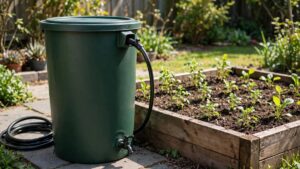
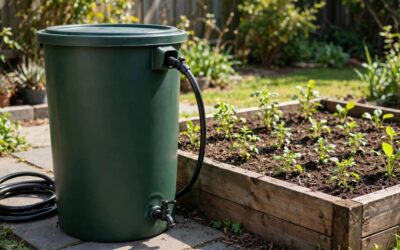
RTS Home Accents Premium 55-Gallon Eco Rain Barrel with Stand
- Capacity: 55 gallons
- Stand: included, raises the barrel for spigot access per the maker
- Material: 100 percent recycled plastic, flat-back shape
- Lid: removable lid for access, cleaning, and dipping
- Spigot: plastic spigot listed as high quality by the maker
- Extras: UV-resistant resin construction
The Premium 55 is the largest barrel in this roundup and the one that fits a shared plot with the least fuss. The removable lid is the feature community gardens feel most: it allows dipping a can or bucket directly when the spigot queue is long, makes the annual scrub-out a ten-minute job, and lets a plot holder check the water level at a glance instead of guessing by knocking on the side.
The flat back sits flush against a fence or shed wall, which keeps the barrel out of the path and the plot's working space clear. The included stand raises the spigot high enough for a watering can to sit on the ground beneath it, which is the whole point of a stand system, and the recycled-plastic build keeps the weight down when the barrel has to be moved empty at season's end. The spigot is plastic rather than brass, the one specification where this model gives ground to its walnut sibling below.
Pros: Largest capacity here; removable lid suits shared use and cleaning; stand included; flat back saves plot space.
Cons: Plastic spigot; single spigot position; the textured finish shows algae staining over time if left in full sun.
RTS Home Accents 50-Gallon Rain Barrel with Stand, Walnut
- Capacity: 50 gallons
- Stand: included, raised design for spigot access
- Material: UV-resistant polyethylene, flat-back shape
- Spigot: brass spigot, listed as premium by the maker
- Overflow: built-in overflow valve; barrels can be connected for more storage
- Origin: made in the USA per the listing
This is the same stand-included formula as the ECO model with two changes that matter at a shared plot: the spigot is brass, and the overflow valve is documented as the linking point for adding barrels. Brass earns its place where many hands use the spigot daily, because the threads and handle tolerate seasons of use that wear plastic fittings, and a leaking spigot at a community plot tends to leak for a month before anyone reports it.
The overflow valve does double duty. In a storm it routes excess water away in a controlled direction, and out of season it is the port through which a second barrel joins the first, so a plot group can start with one barrel and double storage later without replacing anything. The flat back and walnut finish keep it tidy against a fence. Fifty gallons is five fewer than the Premium, the trade for the better spigot hardware.
Pros: Brass spigot for shared use; documented overflow and linking; stand included; flat back.
Cons: Smaller than the Premium 55; plastic body fittings elsewhere; walnut finish is the only colorway in this listing.
RTS Home Accents 50-Gallon ECO Rain Barrel with Stand, Black
- Capacity: 50 gallons
- Stand: included, raised design for spigot access
- Material: UV-resistant polyethylene made from 100 percent recycled plastic, flat-back shape
- Spigot: plastic spigot
- Overflow: built-in overflow valve; option to connect multiple barrels per the maker
- Origin: made in the USA per the listing
The ECO 50 is the value entry in the RTS stand range and the one a plot association buying several units at once will look at first. It shares the flat-back body, the included stand, and the overflow valve with linking option, and it is made from fully recycled plastic, which suits the ethos of most community gardens and keeps the purchase story simple.
Against the walnut model it trades the brass spigot for plastic, and against the Premium it gives up five gallons and the removable lid. What it keeps is the essential system: a raised barrel that fills a can from ground level, an overflow path for storms, and a linking option when one barrel proves too small in July. For a single plot holder rather than a whole association, those trades are reasonable.
Pros: Recycled build; stand and overflow included; linking option; lowest commitment in the RTS range.
Cons: Plastic spigot; fixed lid limits dipping access; 50-gallon capacity fills fast in a big storm.
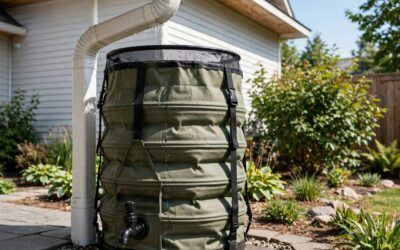
SQUEEZE master 50 Gallon Rainwater Collection Barrel with Stand
- Capacity: 50 gallons
- Stand: base included; maker states the base is EPP and pressure-checked to 200 kg
- Material: UV-resistant, anti-freeze PP body per the listing; BPA-free
- Drainage: drain hose connected at the bottom of the barrel; tap at the base
- Top: mesh cover keeps debris out
- Linking: multiple barrels can be connected through side connection holes per the listing
- Assembly: parts and an auxiliary tool included; maker estimates about 15 minutes with a drill
The SQUEEZE master system takes a different mechanical approach: instead of a spigot partway up the barrel wall, a drain hose at the bottom connects to the tap on the raised base, so the barrel empties from its lowest point and the base carries the load. The maker states the EPP base passed a pressure check to 200 kilograms, which is the kind of figure a shared plot wants to hear before a full 50-gallon barrel, weighing well over 400 pounds in water alone, is trusted to a stand.
The mesh top keeps leaves and debris out of the stored water, the flat back sits against a fence, and the side connection holes let several barrels be joined into a shared bank, which is exactly how a row of plots would deploy them. The bottom-outlet design also means the last gallons are usable rather than stranded below a spigot line. Assembly needs a drill and a quarter of an hour, the only real setup cost in this group.
For a community bank, that bottom drain has a second virtue: barrels joined through their side ports share water evenly, and a single tap at the end of the row draws from the whole bank rather than emptying one barrel while its neighbors sit full. Plot holders also tend to trust a base with a published load figure more than a generic stand, and in a space where children climb and wheelbarrows clip corners, that trust is well placed. The trade is familiarity: new plot holders may need one demonstration of the hose-and-tap arrangement before it feels as obvious as a spigot.
Pros: Bottom drain uses the full capacity; load-rated base figure published; linkable through side ports; mesh top included.
Cons: Assembly required with a drill; lesser-known maker; tap and hose arrangement is less familiar to casual users than a standard spigot.
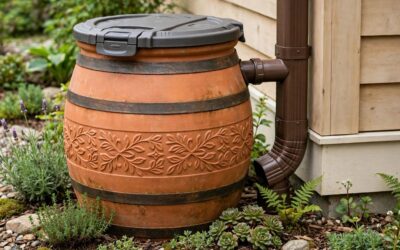
Good Ideas Impressions Bali 50 Gallon Rain Barrel with Rain Wizard Universal Stand
- Capacity: 50 gallons
- Stand: maker's Rain Wizard Universal Stand (RW-UNI001), sold separately; listing states it fits almost every Good Ideas rain barrel
- Material: barrel with wicker-look texture; stand in UV-resistant polyethylene resin
- Spigots: brass spigots per the barrel listing
- Inlet: meshed screen blocks debris
- Overflow: routed channel diverts excess water to the front of the barrel
The Bali is the aesthetic pick, a wicker-textured barrel that looks deliberate along a garden's public edge, and it is the one system here where the stand is a separate matched accessory rather than an in-box inclusion. The maker's universal stand listing states it fits almost every Good Ideas barrel, raises the barrel to add pressure and flow, and leaves room underneath for buckets and pails, which is the community-plot requirement stated in the maker's own words.
The barrel itself brings brass spigots and a routed overflow channel that sends excess water to the front of the barrel, away from the fence line and the foundation of any shed it stands against. The flat top suits a planter or a resting watering can. The two-part purchase is the honest drawback: barrel and stand are separate listings, so the plot group must order both, and the combined cost should be compared against the in-box systems before committing.
Pros: Best-looking system here; brass spigots; stand adds pressure and bucket room per the maker; routed overflow protects the fence line.
Cons: Stand sold separately; two listings to order and track; textured surface takes more effort to scrub clean.
| Product | Key spec | Best for |
|---|---|---|
| RTS Premium 55-Gallon Eco with Stand | 55 gal, removable lid, stand included | Shared plots wanting capacity and access |
| RTS 50-Gallon Walnut with Stand | 50 gal, brass spigot, overflow valve | Heavy shared use, linking later |
| RTS ECO 50 with Stand | 50 gal, 100 percent recycled, stand included | Associations buying several units |
| SQUEEZE master 50 Gallon with Base | Bottom drain hose, base rated to 200 kg | Full drainage and banked barrels |
| Good Ideas Impressions Bali + Stand | 50 gal, brass spigots, matched stand | Public-facing fences, appearance |
Buying guide
Start with the water math of a shared plot. Fifty gallons sounds like a lot until three plot holders water on the same hot evening; a single inch of rain on a modest shed or greenhouse roof refills a barrel quickly, but a week without rain empties it just as fast. Systems that link, which is most of this roundup, let a group start with one barrel per downspout and add capacity in line rather than replacing units, so linking and overflow design deserve as much attention as headline capacity.
Judge the stand as a working part, not packaging. The stand must put the spigot high enough for the tallest watering can the group uses to slide underneath, and it must be rated or built for the full weight of the barrel, which is over 400 pounds at fifty gallons. In-box stands from the barrel's own maker are matched to the barrel's footprint; where the stand is a separate matched accessory, confirm the pairing on the maker's listing, as with the Good Ideas universal stand here.
Spigot material decides maintenance. Brass spigots tolerate shared use, cross-threading attempts, and winter neglect better than plastic, and they are the specification to insist on where many hands will use the barrel. Plastic spigots are fine on a single-holder plot and keep the price down. Either way, a removable lid or a wide top opening is worth real money at a community site, because barrels that cannot be opened do not get cleaned, and uncleaned barrels grow algae and mosquito larvae by midsummer.
Plan the overflow before the first storm. An overflow valve or routed channel should send excess water to a gravel patch, a rain garden, or a path drain, not against the fence posts or the neighboring plot. Where barrels link, the last barrel in the row carries the overflow for the whole bank, so its outlet needs the clearest run. Finally, agree the winter routine: stands and barrels in freezing climates should be drained, and spigots left open, before the first hard freeze, whichever model the group chooses.
Site the bank where the water actually is. A barrel only fills if a downspout feeds it, so the stand belongs under the shed, greenhouse, or pavilion downspout nearest the plots, with a diverter or a cut downspout and an elbow to reach the inlet. Groups often inherit a donated barrel and park it where it looks tidy, then wonder why it is always empty; the fix is placement, not capacity. Keep the bank on level, compacted ground or pavers, because a full barrel on soft soil leans a little more each season until the stand bears the weight unevenly. A slight lean also strands water away from the spigot, quietly shrinking the usable capacity the group paid for.
Agree the sharing rules while the barrels are new. A simple convention, such as cans filled at the bank being for the plots along that fence, and a rota for screen cleaning and the autumn drain-down, keeps a shared system shared and fair for everyone involved. None of that depends on the model chosen, but the models with lids, screens, and linking ports make the conventions easy to keep, which is part of what a community purchase is really buying.
FAQ
Why does a community plot barrel need a stand at all?
Gravity and access. A barrel sitting on the ground puts its spigot inches above the soil, too low for a watering can, and delivers a weak stream. A stand raises the spigot to can height, speeds up filling, and adds a little pressure for a short hose run, which is the difference between a system people use and one they abandon by July.
How many barrels does a shared plot need?
One 50-gallon barrel per plot is a workable start in regions with regular summer rain, and the linking designs here let a group add a second barrel in line when demand proves higher. Groups that water daily in dry spells should plan on linked pairs from the outset.
Can barrels from different rows be linked together?
Linking works within a bank of barrels fed by one downspout: the first barrel fills, then passes water through its overflow or side ports to the next. The RTS models here document overflow linking, and the SQUEEZE master documents side connection holes. Keep linked barrels at the same height so they share the load evenly.
What keeps mosquitoes out of a shared barrel?
A fine mesh or screen over the inlet, which the SQUEEZE master and the Bali both include, plus a lid that stays closed. Screens must be checked after storms, since a torn screen on a shared barrel is nobody's job unless the group assigns it.
Who should choose the barrel with the separate stand?
A group that cares about appearance along a public fence, or that already owns a barrel from the same maker and needs the matched stand to complete the system. If the plot is purely practical, an in-box stand system is simpler to order, assemble, and replace.
Conclusion
For most community plots, the RTS Premium 55 with its included stand and removable lid is the system to start with, the walnut RTS is the heavy-use upgrade with its brass spigot, and the ECO 50 is the multi-unit value buy. The SQUEEZE master earns its place with a load-rated base and full bottom drainage, and the Impressions Bali with the maker's universal stand covers plots where the fence line is on public display. Buy the stand and barrel as one matched system, plan the overflow run, and the barrels will quietly do their work for seasons. A shared bank of barrels also changes the social weather of a garden in a small way: water stops being a private errand and becomes part of the commons, which is reason enough to buy the system that the whole row can rely on.

Write Your Review
No reviews yet. Be the first to share your experience!