
Key takeaways
- Compare rain barrel systems for harvesting rainwater from gutters, with capacities, diverters, overflow paths, spigots, and linking options in plain terms.
What's inside
As an Amazon Associate I earn from qualifying purchases. This post may contain affiliate links at no extra cost to you.
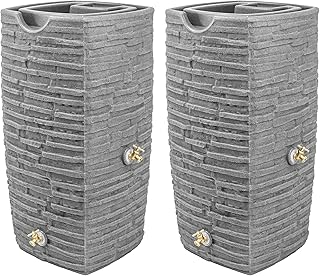
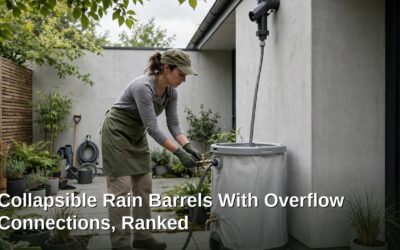
A rain barrel earns its place at the end of a downspout, where a roof turns a passing storm into stored water for beds, containers, and young trees. The barrel itself is only part of the job: the screen that keeps gutter grit out, the overflow path that protects the foundation in a hard storm, and the spigot that fills a can without a struggle decide whether the system gets used every week or quietly ignored. This guide covers best rain barrel systems for rainwater harvesting from gutters, comparing complete kits, diverter based systems, and larger vessels on the details their product pages actually list.
Every model below is a real, named barrel with capacity, dimensions, materials, and fittings taken from its maker or retailer page. Capacities run from 45 gallons to a 158 gallon vessel, and the fittings differ more than the tanks do: one model lists a full kit of screen, valve, overflow tube, and linking hose, another builds its case on a downspout diverter, and another on a bottom drain and dual rear overflows. Read the quick verdict for the short answer, the table for the side by side facts, and the buying guide for the downspout, capacity, and winter care checks that decide which system belongs at a given house.
Quick verdict
For most homes, the FCMP Outdoor Raincatcher 4000 is the balanced pick: 50 gallons, a flat back, and a listed kit of screen, shut-off valve, overflow tube, linking tube, and hose. The EarthMinded RainStation suits readers who want a downspout diverter included, the Algreen Castilla suits readers who want a bottom drain and dual rear overflows, and the Graf Amphora suits a large roof with its 158 gallon capacity. The Bali, RTS, and Rain Wizard barrels round out the list with decorative and simple flat back options.
| Product | Key spec | Best for |
|---|---|---|
| FCMP Outdoor Raincatcher 4000 Rain Barrel | 50 gal, flat back, 24 x 24 x 32 in | Complete gutter-fed starter system |
| EarthMinded RainStation 45 Rain Barrel RS45-TC | 45 gal, FlexiFit diverter, planter top lid | Homes wanting a diverter included |
| Good Ideas Impressions Bali 50 Rain Barrel | 50 gal, routed overflow, two brass spigots | Decorative fronts and patios |
| RTS Home Accents 50-Gallon Flat Back Rain Barrel | 50 gal, flat back, brass spigot | Simple wall-side collection |
| Good Ideas Rain Wizard 50 Rain Barrel | 50 gal, flat back, brass spigot | Large opening for easy downspout fit |
| Algreen Castilla 50-Gallon Rain Barrel | 50 gal, brass spigot, dual rear overflow | Barrels needing a bottom drain |
| Graf Antique Amphora Rain Barrel 158 Gallon | 158 gal, integrated planter, closed design | Large roofs and high water demand |
How we chose
Selection started with the exact limits in the keyword itself, because a product that misses the stated format, size, or price band does not help a reader who searched with that limit in mind. Each model below was matched against a product page or maker documentation for the details that decide fit: dimensions, capacity, materials, connection type, and included hardware. Models with incomplete or conflicting listings were left out rather than filled in with guesses, and any detail a maker does not publish is shown as a dash or as see product page in the spec lists. The order reflects how directly each model answers the keyword for a typical home setup, not a laboratory ranking, and the buying guide after the reviews explains the trade-offs so a reader can reorder the list around a different priority, such as a smaller footprint, a larger reserve, or simpler installation. Prices move often, so the article body avoids amounts entirely; band evidence for priced keywords sits in the separate sources file that accompanies this batch.
FCMP Outdoor Raincatcher 4000 Rain Barrel

- Capacity: 50 gallons
- Dimensions: 24 x 24 x 32 inches; weight about 20 to 21 lb empty
- Material: BPA-free polyethylene, UV inhibited
- Fittings: debris screen, shut-off valve, overflow tube, linking tube, garden hose included
- Overflow: rear overflow connection directs excess water away from foundations
- Linking: side spigots connect multiple barrels in series
The Raincatcher 4000 leads this list because it arrives as a system rather than a bare tank. The maker lists a debris screen, a shut-off thumb valve, an overflow hose, a linking kit, and a garden hose in the box, so a single downspout can be turned into a working collection point without a second shopping trip for fittings. The flat back sits close to a wall, the large top opening accepts a shortened downspout, and the aluminium mesh screen keeps leaves and mosquitoes out of stored water. Overflow matters on gutter systems because a barrel fills quickly in a hard storm; the rear connection routes the excess down and away from foundations instead of spilling it over the rim beside the house. Side spigots let a second barrel join in series when one barrel proves too small, which is a common second season discovery. The barrel is rigid, so it needs a permanent level spot, and the maker notes it should be drained and flipped ahead of freezing weather, a routine step for any polyethylene barrel in a cold climate.
Pros: Full fitting kit in the box, flat back for wall placement, and linkable side spigots for expansion.
Cons: Rigid body does not fold for storage, and cold weather care is required before freezing temperatures.
EarthMinded RainStation 45 Rain Barrel RS45-TC
- Capacity: 45 gallons
- Dimensions: 23.5 in diameter x 35.5 in; weight 17 lb
- Material: resin, HDPE listed
- Diverter: FlexiFit diverter included for downspout connection
- Lid: reversible planter top lid
- Outlets: spigot and drain with garden hose connection
A rain barrel only harvests from gutters well if the downspout connection is handled cleanly, and the RainStation answers that point directly: the maker lists a FlexiFit diverter in the kit, which taps the downspout and sends water to the barrel while letting excess continue down the pipe once the barrel is full. That single part removes the most common failure in home systems, a barrel that overflows at the top opening in every storm. Capacity is 45 gallons, a step below the 50 gallon models here, but the reversible lid doubles as a planter top, which softens the look of a barrel standing beside a front walk or patio door. The spigot and a separate drain, both with garden hose connection, make it easier to empty the last water before winter or to run a short hose to nearby beds. At 17 pounds empty it is one of the lighter rigid barrels in this list, so one person can move it into place, level the pad, and set the diverter height without help.
Pros: FlexiFit diverter included, planter top lid, and a separate drain with hose connection.
Cons: Capacity is 45 gallons, smaller than most rivals here, so linked or second barrels may be needed sooner.
Good Ideas Impressions Bali 50 Rain Barrel
- Capacity: 50 gallons
- Dimensions: 22.25 x 22.25 x 36 inches
- Overflow: routed overflow channel
- Downspout fit: 2 x 3 or 3 x 4 in downspouts
- Screen: mesh screen at inlet
- Spigots: two brass spigots
The Bali suits a downspout that stands in plain view, where a plain tank would look out of place. The product page lists a 50 gallon capacity in a body a little over 22 inches square and 36 inches tall, with a routed overflow channel that carries excess water away in a controlled path rather than letting it sheet over the rim. Two brass spigots are listed, one low for filling a watering can and one positioned for hose use, which is a practical split for a barrel that serves both hand watering and a short hose run to a bed. The mesh screen at the inlet keeps gutter grit and leaves out of the stored water, and the inlet is sized for the two common residential downspout sizes, 2 by 3 and 3 by 4 inches. Because the overflow is routed, placement still needs a thought for where that water goes: a splash block or a short length of hose toward a bed keeps it off paving and away from the foundation line.
Pros: Routed overflow, two brass spigots, and an inlet sized for both common downspout sizes.
Cons: Taller, narrower body needs a level base to stay steady, and the decorative finish limits colour choices.
RTS Home Accents 50-Gallon Flat Back Rain Barrel
- Capacity: 50 US gallons, 190 litres
- Dimensions: 21 x 19 x 34 inches; weight 18 lb
- Material: UV-stabilized polyethylene
- Spigot: brass spigot listed
- Overflow: overflow valve listed
- Shape: flat back for placement against a wall
The RTS flat back barrel is the straightforward option in this group: a 50 gallon polyethylene tank shaped to sit flush against a wall under a shortened downspout. The listing gives a brass spigot, an overflow valve, and a UV-stabilized body, which covers the three details that decide daily use: how water comes out, where excess goes, and how the plastic handles seasons of sun. At 18 pounds empty and 34 inches tall, it is easy to position on a pair of blocks, and raising the barrel even a little improves the flow at the spigot when filling a can. The flat back also keeps the barrel from wasting the narrow strip beside a house, a common spot for downspouts on smaller lots. There is no diverter in the listing, so the downspout is cut and directed into the top opening, or a separate diverter kit is added. For a single barrel at a single downspout, that simple arrangement is often enough, and the overflow valve handles storms once the tank is full.
Pros: Flat back shape, brass spigot, and a light 18 lb body that is easy to position.
Cons: No diverter listed, so the downspout is cut or a separate diverter kit is added.
Good Ideas Rain Wizard 50 Rain Barrel
- Capacity: 50 gallons
- Dimensions: 30 x 23 x 22 inches listed
- Weight: 19 lb listed
- Material: UV resistant polyethylene
- Shape: flat back design
- Spigot: brass spigot listed
The Rain Wizard 50 is a long-running flat back design built around a simple idea: give the downspout a large, easy target and keep the barrel tight to the wall. The listing gives 50 gallons of capacity, a brass spigot, and UV resistant polyethylene, with a 19 pound empty weight that one person can handle while levelling the base. Flat back barrels suit gutter harvesting because downspouts run down walls, so the tank can sit directly under the outlet with a short, simple connection and no elbows reaching out into the yard. A brass spigot is worth noting at this size, since the spigot is the part handled most often and the part most likely to be asked to hold a hose connection under the weight of a full barrel. The shorter, wider stance in the listed dimensions also helps stability on a patio slab or a gravel pad. As with the other rigid barrels here, winter care means draining before hard freezes, and a mesh or screen at the inlet, checked a few times a season, keeps gutter debris out of the stored water.
Pros: Proven flat back format, brass spigot, and a stable wide stance for slabs and pads.
Cons: Screen and diverter details are limited on the listing, shown as see product page for current kit contents.
Algreen Castilla 50-Gallon Rain Barrel
- Capacity: 50 gallons
- Dimensions: 23 x 33 inches listed
- Material: roto moulded resin
- Spigot: brass spigot listed
- Drain: bottom drain listed
- Overflow: dual rear overflow ports listed; warranty listed as 2 years
The Castilla adds two details that owners ask for after a first season with a basic barrel: a bottom drain and dual rear overflow ports. The bottom drain lets the barrel empty fully for cleaning or winter storage without tipping a heavy tank, and the dual rear overflows give excess storm water two paths away from the wall once the barrel is full. The listing gives a 50 gallon capacity in roto moulded resin, a brass spigot for everyday drawing, and a two year warranty. Roto moulded construction means the body is formed in one piece, which removes seams from the parts of the barrel that hold water weight. For gutter harvesting, the rear overflow position matters: water exits behind the barrel, close to the wall line, so a short hose or a splash block can move it to a bed or a drain without crossing a path. The 23 inch width keeps the footprint modest for a side yard downspout, and the height leaves room to raise the barrel on blocks for better spigot clearance when filling tall watering cans.
Pros: Bottom drain for full emptying, dual rear overflow ports, and one-piece roto moulded body.
Cons: Overflow hoses are routed at the rear, so rear clearance behind the barrel should be planned.
Graf Antique Amphora Rain Barrel 158 Gallon
- Capacity: 158 gallons, 600 litres
- Material: LLD-PE, UV-stable listed
- Top: integrated planter in a closed design
- Spigot: fast-flow spigot listed
- Weight: 43 lb listed
- Form: amphora style vessel
Most gutter systems in this list store 45 to 50 gallons, which a single storm on a modest roof section can fill. The Graf Amphora answers a different scale of demand at 158 gallons, for a large roof, a big vegetable garden, or a household that wants several dry weeks of stored water rather than a few days. The listing gives a UV-stable LLD-PE body in a closed design with an integrated planter on top, so the vessel reads as a garden urn rather than a tank, and a fast-flow spigot that suits filling cans quickly from a large reserve. At 43 pounds empty it is still movable by one or two people before filling, but the filled weight is substantial, so the base needs to be level, compacted, and close to the downspout from the start; moving a full 158 gallon vessel is not a realistic plan. The closed design also helps keep debris and insects out between storms. For a home with the roof area to feed it, this is the one-barrel answer to the linking question that smaller barrels solve with extra fittings.
Pros: Largest capacity in this list at 158 gallons, closed design, and an integrated planter top.
Cons: Filled weight is very high, so the base must be prepared and permanent before the first fill.
Buying guide
Start with the downspout, not the barrel. Note its size, most homes use 2 by 3 inch or 3 by 4 inch downspouts, and note where the water should go when the barrel is full. A barrel placed under a shortened downspout needs an overflow path that moves storm water away from the foundation, while a diverter system, such as the FlexiFit design listed with the RainStation, sends excess back down the downspout pipe. Measure the flat wall space beside the downspout as well: flat back barrels such as the Raincatcher 4000, the RTS, and the Rain Wizard use that wall line well, while round or decorative vessels need a wider pad. The inlet screen matters too, because gutters carry grit, leaves, and shingle granules; a mesh screen that lifts out for rinsing keeps stored water cleaner and keeps mosquitoes from breeding in the barrel.
Capacity is the second decision, and roof size drives it. A modest roof section can fill a 50 gallon barrel in a single ordinary storm, so one barrel is best understood as a buffer that is drawn down between rains, not as storage for a whole season. Homes that water vegetable beds daily in dry spells will empty 50 gallons quickly; those readers should look at linkable models, where side spigots join a second barrel, or at the 158 gallon Graf vessel where the roof and the base can support it. Raising any barrel on a level stand or blocks improves spigot flow and lets a watering can slide underneath, but the stand must be level and strong, since a full 50 gallon barrel weighs well over 400 pounds and a full large vessel far more. Never place a filled barrel on loose soil that can soften and tilt in wet weather.
Spigots, drains, and overflow fittings decide how pleasant the system is in its second year. A brass spigot, listed on the Bali, the RTS, the Rain Wizard, and the Castilla, handles daily use and hose threads well. A bottom drain, as on the Castilla, makes end of season emptying and cleaning simple, while barrels without one are drained through the spigot and tipped for the last water. Overflow design deserves a close read: a routed channel, a rear connection, or dual rear ports all move excess water in a planned direction, and a short hose on the overflow can carry it to a bed or a drain. Check what is actually in the box before ordering fittings; the Raincatcher 4000 lists its screen, valve, overflow tube, linking tube, and hose, while other barrels list the tank and spigot only, with the diverter sold separately.
Water from a roof is for the garden, and a few habits keep it in good condition. Keep the inlet screen clean, especially after leaf fall, and draw water regularly so the barrel turns over rather than sitting stagnant for weeks. In freezing climates, drain the barrel, open the spigot, and store or flip it as the maker directs before hard freezes, since ice expansion can split a rigid body; the Raincatcher listing states this step plainly. Set the barrel where a hose run or a watering can route reaches the beds it serves, because stored water that is awkward to reach tends to go unused while the tap does the work. Finally, check local rules where they exist: many places encourage rain barrels, and some utilities even support them, but a quick check of local guidance is a sensible first step before cutting a downspout.
FAQ
Do I need a diverter, or can the downspout pour straight in?
Both arrangements work. A shortened downspout pouring into a screened top opening is the simplest system, while a diverter such as the FlexiFit listed with the RainStation sends excess water back down the pipe once the barrel fills, which keeps overflow away from the top opening.
How much water does one barrel hold for garden use?
The barrels in this list hold 45 to 50 gallons, apart from the Graf vessel at 158 gallons. Fifty gallons covers several watering can rounds or a modest hose session for beds, and regular drawing between rains is what makes a single barrel useful across a season.
Where should overflow water go?
Away from the foundation, along the path the fitting provides: a routed channel, a rear connection, or an overflow hose led to a bed, a splash block, or a drain. Overflow should never spill against the wall or across a path where it can freeze or stain paving.
Can two barrels be joined for more storage?
Yes, where the model lists linking fittings. The Raincatcher 4000 lists side spigots and a linking tube for joining barrels in series, which doubles storage at one downspout without a second downspout connection.
What winter care do rigid rain barrels need?
Drain the barrel fully, leave the spigot open, and store or flip it as the maker directs before freezing weather. The bottom drain on the Castilla makes this step easier, since the tank empties without tipping.
Conclusion
A gutter harvesting system succeeds on fittings as much as on capacity. Choose the connection style first, diverter or shortened downspout, confirm the overflow path leads away from the foundation, and then pick the capacity the roof and the garden can actually use. On those checks, the Raincatcher 4000 covers the widest range of homes with its complete listed kit, the RainStation simplifies the downspout connection, and the Graf vessel serves the largest demand. Any of the seven, set level under its downspout with a clean screen, will turn roof runoff into a steady, useful store for the garden.
Related guides
More from Amazon
Programs that pair well with the guide above. Offers and eligibility are set by Amazon and may change.
Collect the home and kitchen items you want in one registry that guests can shop from.
Create a wedding registrySet up recurring deliveries of everyday items on eligible products. Terms and savings are set by Amazon.
Explore Subscribe & SaveFree shipping on eligible items, Prime Video and more. Eligible new members can start with a free trial.
Start a Prime free trialAudiobooks and podcasts to listen to on the go. Eligible new members can start with a free trial.
Try Audible freeAs an Amazon Associate we earn from qualifying purchases.
More ways to save on your garden
Programs that pair well with the guide above. Offers and eligibility are set by Amazon and may change.
Fast, free shipping on eligible items, plus Prime Video and more. Eligible new members can start with a free trial.
Start a Prime free trialSet up recurring deliveries of everyday items on eligible products. Terms and savings are set by Amazon.
Explore Subscribe & SaveRead from a huge library of eBooks, including how-to guides and cookbooks. Eligible new members can start with a free trial.
Try Kindle UnlimitedAudiobooks and podcasts for the commute, the garage or the kitchen. Eligible new members can start with a free trial.
Try Audible freeAs an Amazon Associate we earn from qualifying purchases. Using these links costs you nothing extra.



Write Your Review
No reviews yet. Be the first to share your experience!